




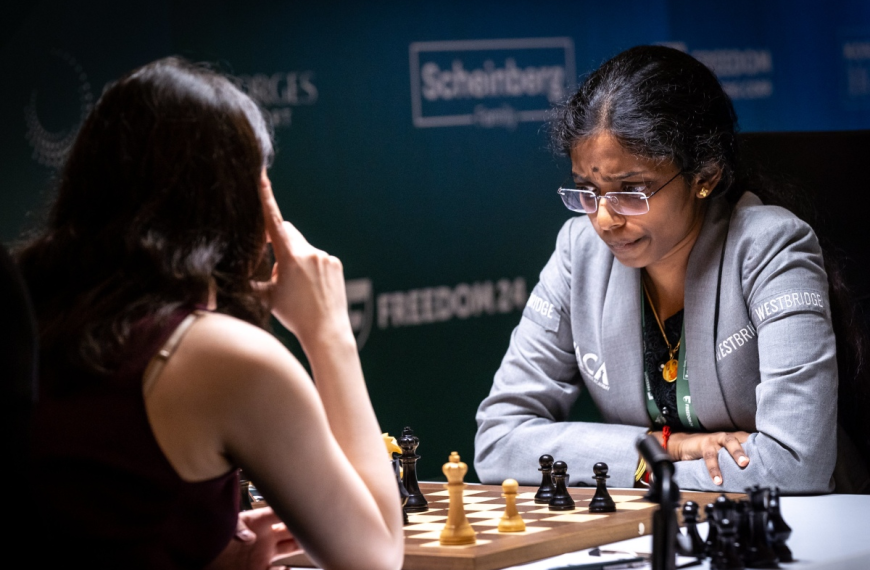
A new study on sex differences in chess
A new study has been published, with the support of Chessable, titled “Across the Board: Sex, Ratings, and Retention in Competitive Chess”.
Of contributors Angela Li, Mark Glickman, and Christopher Chabris, Glickman is the most recognizable figure, as the chair of the US Chess Ratings Committee, and the inventor of the Glicko-1 and Glicko-2 rating systems, used respectively on chess.com and Lichess (descriptors here).
Described as drawing on “a rich dataset of over 680,000 players from the U.S. Chess Federation (US Chess), spanning nearly three decades,” the study summarizes its results as: “What really stands out is how much these early differences seem to depend on context. In geographic areas where more girls are playing from the start, the gap in starting ratings between boys and girls shrinks.”
In Chessable’s blog post, they describe that in somewhat more detail. The main points are as follows:
- “Boys and girls both improve steadily over time, but boys [as a group] tend to begin with a rating advantage that persists through the years
- Girls drop out of rated competition at higher rates than boys, suggesting differences in long-term retention and engagement
- However, when boys and girls are matched for age, cohort year, and starting rating, their rating progressions are virtually identical.”
The findings offer further evidence that, indeed, any ‘gender gap’ in rating stems from the amount of players rather than inherent differences. And, as the authors comment: “These findings suggest that fostering environments where girls are more equally represented might go a long way toward leveling the playing field.”
You can read Chessable’s post about the study here, and the full study (non-public access) here.

